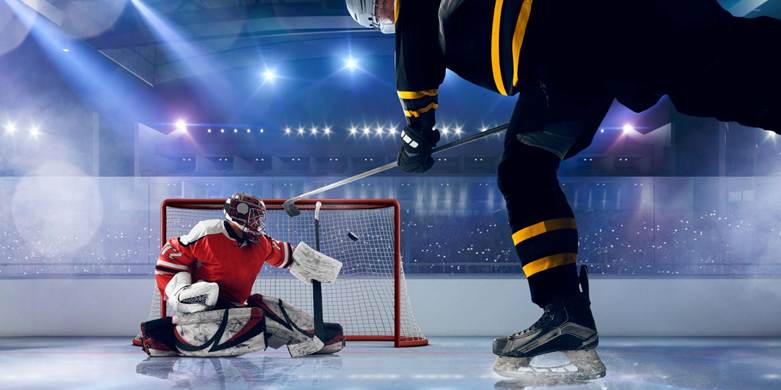
In conversations about peak performance, Matthew Blaisdell often points to hockey as more than a sport. It is a living laboratory for discipline, resilience, and mental toughness. On the ice, outcomes shift in seconds. Momentum disappears without warning. Pressure compounds instantly. Those conditions mirror the demands of leadership, business, and personal growth more closely than most people realize.
Hockey does not reward hesitation. It rewards clarity under stress. And at its core, that clarity is built on mental toughness.
While speed and skill matter, the differentiator at higher levels is psychological endurance. It is the capacity to bounce back from a mistake. This includes the ability to continue performing even when fatigued. Hockey requires the discipline to carry out a strategy even when emotions are running high. These qualities extend far beyond the rink.
Below are deeper performance lessons hockey offers anyone striving for sustained excellence.
Mental Toughness: The Engine Behind Sustainable Performance
Physical conditioning may prepare athletes for impact, but mental toughness determines how they respond to adversity.
A hockey player may lose a puck battle, miss a scoring chance, or be on the ice for a goal against. The game does not pause to process disappointment. There is no extended timeout to recover confidence. The next shift begins within minutes.
This compressed feedback loop forces rapid psychological recovery. Over time, players develop:
- Emotional regulation under pressure
- Controlled aggression without recklessness
- Focus despite environmental chaos
- Composure when stakes escalate
This pattern mirrors high-performance environments in business and leadership. Deals collapse. Projects stall. Markets fluctuate. The professionals who maintain clarity are those who have cultivated mental toughness long before a crisis appears.
Importantly, mental toughness is not about suppressing emotion. It is about channeling it productively. Hockey teaches that frustration can fuel sharper execution, not distraction.
Resilience In Motion: Hockey Teaching Recovery Is Part Of The Strategy
Unlike many sports, hockey unfolds at relentless speed. Shifts are short. Energy output is intense. Fatigue accumulates quickly. Players must recover rapidly, physically and mentally, between rotations.
This rhythm teaches a critical lesson: resilience is not reactive. It is structured.
Sustainable high performers understand:
- Recovery enhances output
- Systems prevent burnout
- Preparation reduces emotional volatility
- Conditioning includes cognitive endurance
Peak performers outside athletics face similar cycles. Deadlines surge. Pressure builds. Expectations compound. Without structured recovery, even the most talented individuals lose efficiency.
Mental toughness includes knowing when to reset, not just when to push harder. That nuance separates durability from burnout.
Hockey Teaching Strategy Under Pressure: Decision-Making in Constrained Time
Hockey compresses time and space. Players must make quick decisions while maneuvering around moving opponents, adjusting formations, and maintaining constant physical contact.
There is no luxury of overanalysis. Instinct must align with preparation.
The most effective athletes internalize systems so thoroughly that decision-making becomes automatic. This automaticity is built through repetition, film study, pattern recognition, and disciplined practice.
Professionals in business environments operate under similar time constraints. Markets move quickly. Information evolves constantly. Decisions often carry significant consequences.
In these moments, mental toughness supports:
- Trust in preparation
- Commitment to decisive action
- Confidence despite incomplete information
- Stability when outcomes remain uncertain
This cognitive steadiness transforms pressure from threat into opportunity.
Mental Toughness and the Discipline of Consistency
One of the most underestimated aspects of hockey is the grind of a long season. Performance is not measured in isolated moments but across months of sustained effort.
Consistency becomes the true benchmark.
The strongest competitors understand that mental toughness is less about dramatic heroics and more about disciplined repetition. Showing up prepared. Executing fundamentals. Maintaining standards even when external recognition diminishes is crucial.
This practice parallels professional life closely. Repeated disciplined action, not sporadic bursts of intensity, builds career growth, financial success, and leadership credibility.
Consistency requires:
- Routine adherence
- Emotional stability
- Long-term perspective
- Resistance to complacency
Without mental toughness, consistency erodes under boredom, fatigue, or distraction.
Team Dynamics: Individual Strength Within Collective Systems
Hockey emphasizes structured teamwork. Defensive systems, line rotations, and special teams require synchronization. Even the most talented player must operate within a larger framework.
This dynamic highlights a critical truth: mental toughness also includes humility.
Players must:
- Accept roles that evolve
- Support teammates after errors
- Communicate under stress
- Prioritize collective success
In high-functioning professional environments, the same principles apply. Individual brilliance cannot compensate for systemic breakdowns. Resilient organizations are built on aligned communication and shared accountability.
The discipline to serve a larger strategy reflects another dimension of mental toughness, ego management.
Adversity as Development
Every hockey season includes slumps, injuries, and unexpected setbacks. These moments test identity as much as skill.
Athletes who frame adversity as feedback rather than failure develop deeper confidence. Instead of retreating, they refine.
This reframing ability sits at the center of mental toughness. It allows performers to separate temporary setbacks from permanent self-judgment.
In leadership, entrepreneurship, and personal development, setbacks are inevitable. Market shifts occur. Opportunities close. Plans unravel.
Those who thrive are rarely those who avoid adversity. They are those who process it constructively.
Training the Mind as Intentionally as the Body
Modern performance science increasingly recognizes psychological conditioning as essential. Visualization, breathing techniques, cognitive rehearsal, and stress inoculation are now integrated into elite training programs.
The recognition is simple: physical preparation without mental toughness leaves performance incomplete.
Training cognitive resilience allows performers to:
- Reduce panic responses
- Improve focus duration
- Enhance situational awareness
- Maintain execution under fatigue
In business and life, the same training applies. Preparation for high-stakes presentations, negotiations, or strategic pivots benefits from structured psychological rehearsal.
The Broader Lesson: Controlled Intensity
Hockey thrives on intensity. Yet reckless intensity leads to penalties, mistakes, and breakdowns. The sport demands controlled aggression, force aligned with discipline.
That balance defines mature mental toughness.
It is not blind force.
It is not emotional detachment.
It is calibrated response.
Peak performers learn to regulate adrenaline rather than be ruled by it. They learn that composure amplifies skill.
Mental Toughness as a Transferable Skill
The greatest insight hockey offers may be this: mental toughness is transferable.
The habits developed on the ice translate into:
- Strategic patience
- Emotional regulation
- Recovery discipline
- Decisive execution
- Long-term consistency
These traits compound over time. Whether in sports, finance, leadership, or personal development, resilience built in one arena strengthens performance in another.
Ice time becomes life training. Pressure becomes refinement. Competition becomes growth, and Hockey simply accelerates the lesson.